Systems
Floor coating systems compared
Each system is good at something and poor at something else. The comparison below is general; the exact product data sheet decides the final specification.
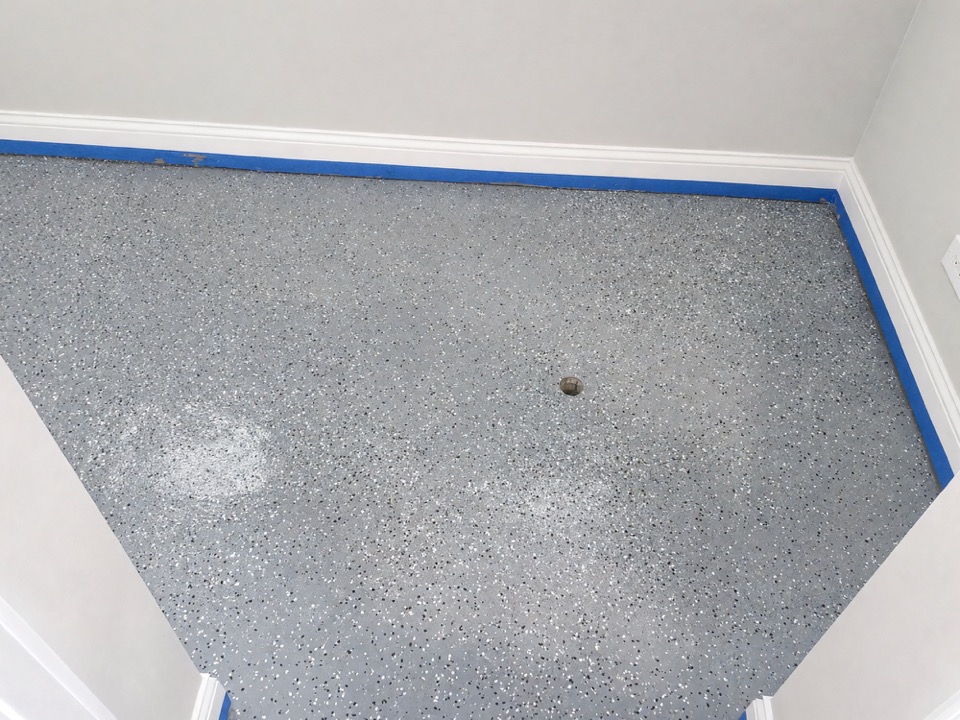
Side by side
| Epoxy | Urethane cement | Polyaspartic | Metallic epoxy | |
|---|---|---|---|---|
| Best suited to | Most interior commercial and industrial floors | Kitchens, food processing, washdown areas | Short closures, sunlit areas, garages | Showrooms, lobbies, retail |
| Hot water and thermal shock | Limited | Strong | Limited to moderate | Limited |
| Slab moisture tolerance | Low, unless a mitigating primer is used | Higher than epoxy; product-specific | Low | Low |
| UV color stability | Yellows unless top-coated | Can change color; top-coat where sunlit | Strong | Needs a UV-stable topcoat |
| Time to return to service | Slower | Moderate | Fast | Slower |
| Working time during installation | Generous | Moderate | Short | Generous |
| Appearance options | Solid color, flake, quartz | Limited colors, textured | Clear or pigmented, flake | Highly decorative |
| Chemical resistance | Good; novolac grades for harsh chemicals | Good for many food acids and cleaners | Good as a topcoat | Depends on topcoat |
Relative terms compare these systems with each other. Actual cure times, moisture limits and chemical ratings come from the manufacturer data for the product selected.
How we narrow the choice
Exposure
Chemicals, heat, water, traffic type and sunlight. This rules systems out faster than anything else.
Slab condition
Moisture results, existing coatings, contamination and damage. This can rule out a system the exposure would allow.
Closure window
How long the space can be out of use, and whether it can be done in sections.
Appearance and cleaning
Color, texture and gloss, balanced against how the floor will actually be cleaned.
Textures and slip resistance
Any of these systems can carry slip-resistant texture. Texture is chosen separately, for the wet, greasy or sloped areas of the floor. See anti-slip floor coatings.
- Healthcare and clinic flooringCleanable patient-facing floors, rolling traffic and phased reopening
- Auto shop and service-bay flooringLifts, tire paths, fluids, drains and vehicle return
- Industrial floor coatingsChemical, impact and heavy traffic exposure
- Warehouse floor coatingsForklift traffic, joints, marking and phased work
- Commercial food-service flooringCommissaries, institutional kitchens, bakeries and food production
- Restaurant kitchen epoxy flooringTile removal, drains, cove base, grease and closures
- Urethane cement flooringThermal shock and moisture tolerance
- Polyaspartic floor coatingsFast return to service and UV stability
- Metallic epoxy flooringDecorative finishes for showrooms and lobbies
- Anti-slip floor coatingsTexture chosen for the exposure, not by habit
Learn the material vocabulary
These neutral background articles help explain the material families. They are starting points, not installation specifications; the selected product’s current technical data and the slab conditions control the final system.
Questions people ask
Which coating lasts the longest?
There is no universal winner. Longevity depends on preparation, moisture, traffic, chemicals, UV exposure and whether the system matches those conditions.
Is polyaspartic better than epoxy?
Polyaspartic cures faster and resists UV yellowing, while epoxy usually offers more working time and build. Many projects use both in one system.
Why would a kitchen use urethane cement?
Its thickness, moisture tolerance and resistance to thermal cycling make it better suited to hot washdown and food-service abuse than ordinary epoxy.
Tell us about the floor
The quote form takes a few minutes. It asks for the ZIP code, floor area and current condition. Add photos, paste a share link or send visuals later—it is your choice.